SummaryOpen the quick read
- David Bedingham welcomes his promotion to No. 3, noting that attacking field settings provide more scoring opportunities without demanding technical changes.
- Facing Australia's relentless bowling attack requires sustained concentration, as Pat Cummins, Mitchell Starc, and Nathan Lyon offer no respite.
- South Africa's batters must convert positive starts of 30 to 50 into substantial innings by outlasting the opposition's initial spells.
- After overthinking his mechanics during a challenging run of Tests, Bedingham has regained confidence and adopted a more relaxed mindset.
- The anticipated return of strike bowler Kagiso Rabada provides a significant boost as the Proteas look to rebound from their Durban defeat.

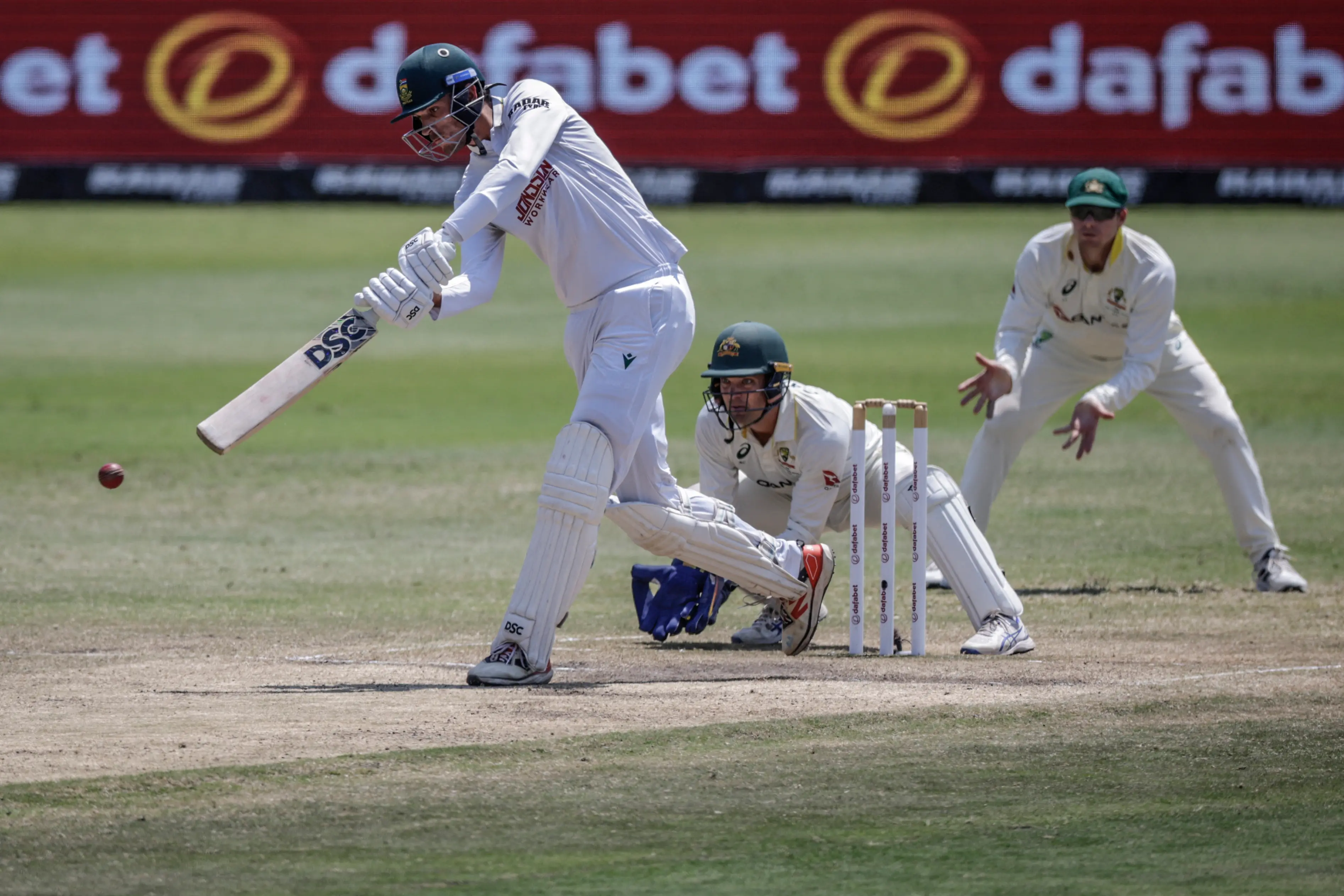
Proteas top-order batter David Bedingham is embracing the number three batting position and has designs on making it his own Picture: Marco Longari/AFP