

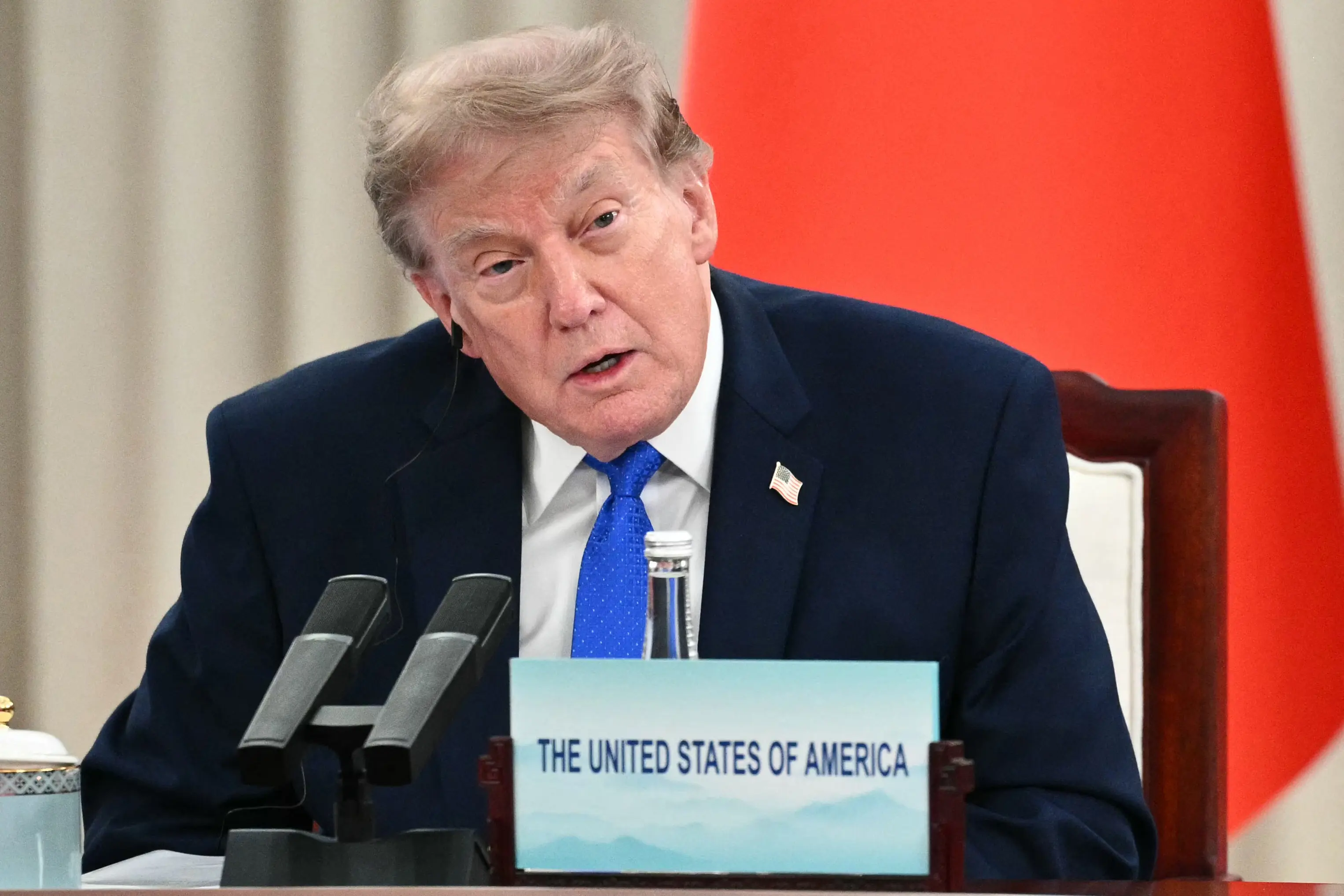
The Trump administration’s announcement on November 2 of its intention to terminate SA's participation in the African Growth and Opportunity Act (Agoa) from January 1 2027 marks a significant shift in the country’s economic and diplomatic relationship with the US.
Beyond the immediate trade implications, the decision raises fundamental questions about economic sovereignty, employment, foreign policy and the government’s duty to shield citizens from the fallout of international economic pressure.
Enacted by the US Congress in 2000 under then president Bill Clinton, Agoa was designed to promote economic growth, investment and trade between the US and eligible sub-Saharan African countries. It did so by granting preferential, largely duty-free access to the American market for thousands of products.
The programme aimed to encourage industrialisation, deepen economic ties and help African nations expand their role in global trade.
Eligibility, however, has always been conditional on meeting requirements related to governance, human rights, economic policy and trade practices.
SA became one of Agoa’s largest beneficiaries, building valuable trading relationships with American businesses and consumers.
Agoa has given a meaningful competitive edge in one of the world’s largest consumer markets. Its value extends well beyond the headline export figures.
The automotive industry has benefited through the export of vehicles and components, supporting manufacturing, jobs and investment.
Agricultural producers have gained access for citrus, grapes, wine and other products, creating opportunities for commercial farmers and workers across agricultural value chains.
The programme has also encouraged investment in export-oriented production, strengthened industrial capacity and sustained businesses that rely on international markets.
Its benefits have reached logistics companies, packaging manufacturers, transport operators and smaller enterprises that supply larger exporters.
In 2025, South Africa exported approximately $1.7bn (R28.8bn) in goods under Agoa preferences.
While this represents a relatively modest share of total national exports, the programme remains particularly important to the industries and communities whose livelihoods depend on preferential access to the American market.
The loss of that access will raise the cost of exporting affected products to the US.
South African businesses are likely to face higher tariffs, reduced competitiveness and pressure on margins.
The automotive, agricultural and manufacturing sectors are particularly exposed. Firms may scale back investment, cut production or seek alternative markets. Where companies cannot absorb the additional costs, job losses become a real risk.
The impact could be especially severe in rural agricultural communities, where employment options are already limited.
Reduced export demand would affect farmworkers, seasonal labourers, transport operators and small businesses that depend on the agricultural economy.
Importantly, removal from Agoa does not mean South African products will be barred from the American market. The core problem is the loss of preferential treatment, which will make certain exports more expensive and less competitive.
Withdrawal from Agoa does not automatically mean higher prices for food, fuel, electricity or other essentials in SA. The new tariffs primarily affect South African goods entering the US.
Indirect effects, however, cannot be dismissed.
Export losses could pressure the rand, reduce employment and weaken household purchasing power.
Businesses facing higher costs may also seek to pass some of those costs on to consumers.
Government must therefore ensure that international trade tensions do not become another burden on households already struggling with the rising cost of living.
The Competition Commission should remain alert to unjustified price increases, while government strengthens social protection and supports domestic production to lessen reliance on expensive imports.
The Trump administration has cited barriers to American trade and investment, corruption and concerns related to US national security and foreign policy interests as reasons for its decision.
These concerns sit within a broader pattern of strained relations between Washington and Pretoria, including disagreements over land reform, international alignments and SA’s position on the conflict in Gaza.
As a sovereign constitutional democracy, SA has the right to determine its domestic and foreign policies according to its national interests and constitutional obligations.
Sovereignty, however, must be matched by strategic economic preparedness.
SA can and should defend an independent foreign policy while recognising the practical importance of constructive engagement with its major trading partners.
What Must Government Do?
Government should intensify diplomatic efforts with Washington to seek a mutually beneficial resolution that preserves trade and investment opportunities without compromising South Africa’s constitutional principles.
Second, SA must accelerate the diversification of its export markets.
The African Continental Free Trade Area, the EU, India, China and other emerging markets offer real opportunities.
Diversification, however, requires practical support for exporters, efficient ports, reliable infrastructure and stronger industrial capacity.
Third, government should introduce targeted support for affected industries and workers.
Export finance, skills development, industrial incentives and employment protection measures should be developed in consultation with business and organised labour.
Finally, government must strengthen domestic manufacturing and agricultural production so that South Africa becomes less vulnerable to external economic pressure.
The Agoa decision should not be treated as an occasion for economic pessimism or political point-scoring. It is a reminder that South Africa’s economic future cannot rest excessively on the goodwill of any single trading partner.
The task now is to build a more resilient economy, one that creates jobs, protects consumers, expands industrial production and deepens economic relations across the African continent and beyond.
Ultimately, the measure of government’s response will not be the strength of its rhetoric towards Washington, but its ability to protect workers, sustain businesses and ensure that ordinary South Africans do not pay the price for international trade disputes.
The choice, and the responsibility, rests with those in power.
Mzi Lingela writes in his personal capacity
Daily Dispatch