

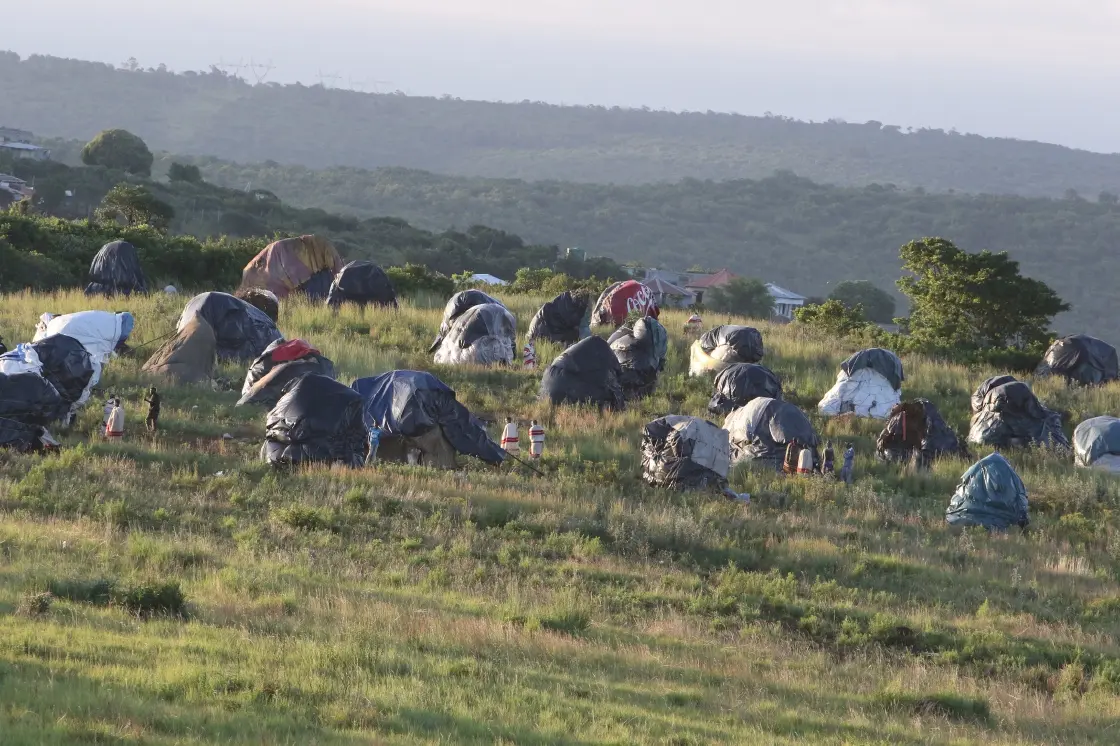
As the Eastern Cape, we pride ourselves in the custom of ulwaluko. Through this rite of passage, boys go to the mountains to undergo traditional male circumcision and initiation, and return as men.
The process culminates in umgidi (homecoming ceremony), which brings so much joy and happiness to the families of initiates.
Unfortunately, the same custom has brought equal pain and agony to some initiates and their families.
It is sad when boys leave home in high spirits in the quest to be men, only to return in body bags.
During the winter initiation season, more than a dozen boys lost their lives in our province.
In the 2025 summer initiation season, of the close to 40,000 young men who went to the mountains, 23 initiates died.
These mortality figures might sound like a minute fraction, but even one death is one too many.
And there is a long history of similar deaths.
In the 2025 winter season, 14 initiates lost their lives.
Between 2006 and January 2020 about 1,100 initiates died. In the same period, there were 320 penile amputations.
Lack of proper care post-circumcision, dehydration, illegal schools and assaults are among the major malpractices that lead to deaths.
All these are completely avoidable as they are man-made.
Take for instance dehydration — it is fueled by the myth that healing of the wound will be quicker if boys are denied water.
We agree entirely with proactive measures that traditional leaders and the government are taking.
As the summer season opened on Saturday, it was great to hear authorities are already factoring in the impact the El Niño effect is likely to have on initiates in their plans.
They have emphasised that initiates must always be hydrated.
They warned parents against using black plastic sheets as a damp-proof membrane to build initiation lodges because the material attracts the sun and prevents ventilation.
Beyond the weather-related risks, we cannot ignore the longstanding challenges associated with unsafe circumcision practices, illegal initiation schools, inadequate medical screening and delayed access to health care.
These challenges become even more concerning when extreme weather places additional pressure on already vulnerable environments.
It is our hope that all stakeholders will heed the call and avoid preventable deaths.
All of us must strive to reach that elusive zero-initiate death target that has been campaigned for under the mantra "mabaye bephila, babuye bephila" (Let the boys return from the mountains alive).
Every year, that slogan sounds hollow when initiate death news starts to filter through.
Our message is unequivocal — cultural heritage must be preserved, but human life must never be compromised.
Let every initiate leave home with dignity, undergo the initiation process in safety and return to their families alive and healthy.