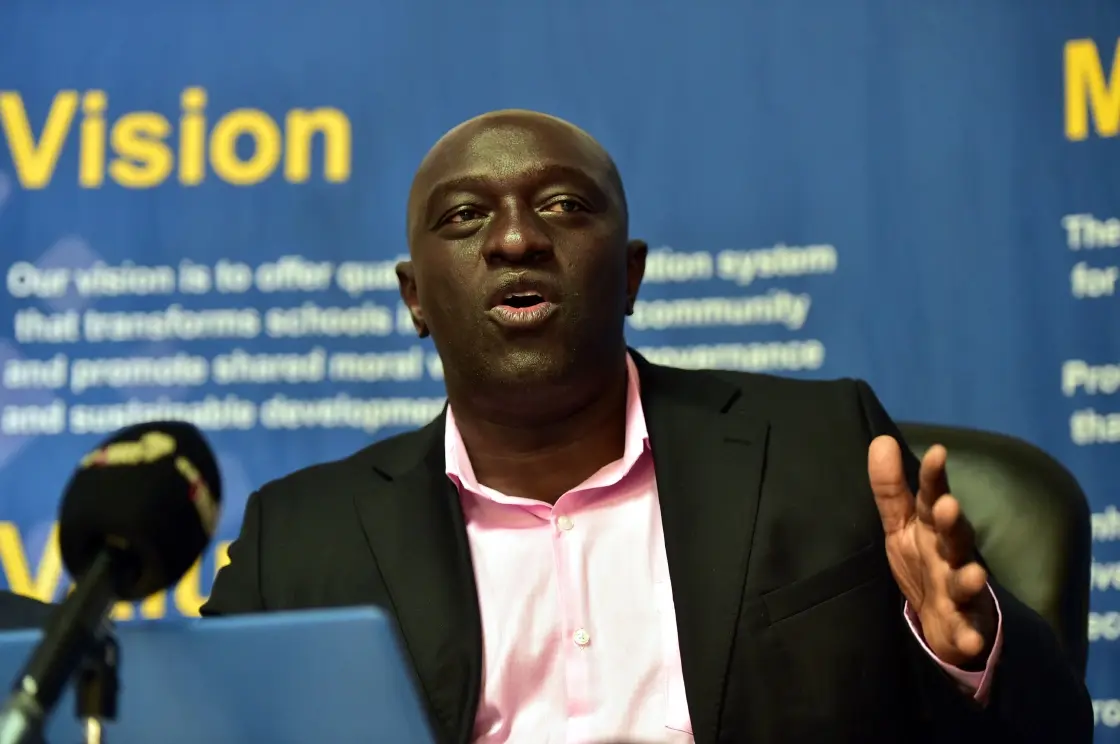
The Eastern Cape education department plans to expand its inclusive education programme to 162 mainstream schools, despite concerns over infrastructure backlogs, shortages of specialist teachers and inadequate resources for pupils with disabilities.
Education MEC Fundile Gade said 56 schools had already been designated to accommodate pupils requiring specialised support, with another 106 to be included in the next phase.
The programme will provide dedicated classrooms and support within mainstream schools, allowing children with disabilities to receive specialised assistance.
Speaking at the launch of Disability Rights Awareness Month at Ethembeni Old Age Home in Mdantsane on Wednesday, Gade acknowledged that the department had not adequately explained its shift towards inclusive education.
“What is lacking is advocacy and education within communities because people are passionate about special schools because they are used to them.
"Equally, the way government has transitioned to focus schools has not been clearly communicated to everybody,” he said.
Gade warned that complicated assessment procedures and the cost of specialised services could prevent children with disabilities from entering the education system.
“I can foresee a problem where there are more children with disabilities outside the schooling system than those who are in it,” he said.
He called for greater co-operation between government departments to identify children requiring assistance and ensure they received appropriate support.
The department was also working with universities to improve specialist teacher training, while funding was available for assistive devices.
However, Equal Education national general-secretary Itumeleng Mothlabane warned that expanding the programme would achieve little unless schools were properly equipped.
“We welcome inclusive schools according to the different needs of pupils. But we are concerned about infrastructure backlogs in the Eastern Cape, particularly in mainstream schools,” she said.
Mothlabane said some schools were still being built without wheelchair ramps, while pit latrines and other longstanding infrastructure problems remained unresolved.
She said shortages of specialist teachers and accessible learning materials, particularly textbooks for blind pupils, continued to undermine inclusive education.
“Learning and teaching support materials for pupils with disabilities are almost non-existent, and this province continues to rely on private sponsors,” she said.
Mothlabane called for increased infrastructure funding and tighter monitoring of expenditure.
Education department spokesperson Malibongwe Mtima said the programme catered for pupils with severe intellectual disabilities, including those with autism spectrum disorder, who required adapted teaching methods, specialised materials and individual support.
He said the national screening, identification, assessment and support policy guided the identification of barriers to learning and the assistance pupils required.
Mtima acknowledged that stigma, discrimination and negative attitudes towards children with disabilities remained challenges in mainstream schools and communities.
He said the department conducted consultations with principals, teachers, school governing bodies, pupils and community representatives before introducing inclusive education programmes.
Meanwhile, people with disabilities attending the event called for greater acceptance, protection and equal opportunities.
Abongile Notyawa, who has a visual impairment and facial paralysis, said the sheltered employment factories programme had given her renewed hope through an opportunity to work as a teaching assistant at Vukuhambe Special School in Mdantsane.
“People living with disabilities are often overlooked or ignored, or made to feel less human,” she said.
Dambisa Nyubatya, of Autism SA, raised concerns about sexual, physical and emotional abuse of children with learning disabilities, including within their families.
Disability Economic Empowerment Trust CEO Thabiso Phethuka said discriminatory attitudes continued to exclude people with disabilities from employment, churches and public transport.
“Society rejects people it thinks are not perfect, instead of appreciating diversity.”