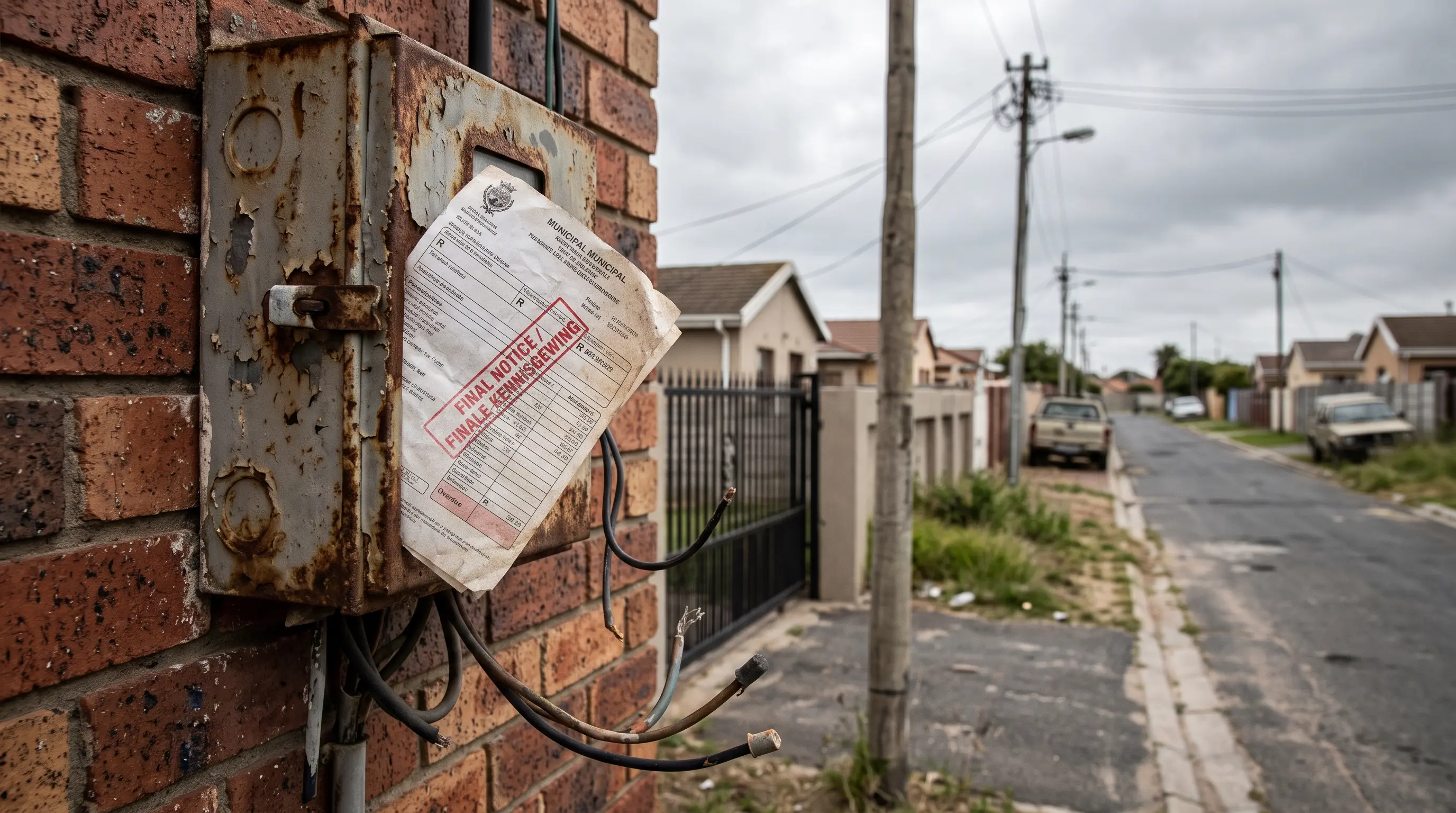
Buffalo City Metro ratepayers, businesses and government departments owe the municipality a staggering R11bn for unpaid rates and services — up R1.6bn on the same period last year — affecting its ability to provide services.
The total arrear amount of R10.9bn was recorded at the end of September.
In just one month, between August and September, the arrears increased by more than R145m.
The biggest culprits, city records show, are domestic households, which currently owe the municipality more than R8.8bn.
This is according to the city's latest financial records, presented at a special council meeting recently by acting mayor Yomelela Tyali.
The report reveals that city businesses owed more than R1.8bn by end-September and various state departments owed R280m for unpaid rates and services.
More than R7.3bn of the total debt has been owed to the city for more than a year.
According to the report, more than R2.7bn is owed by city consumers for rates, R1.7bn for electricity, R1bn for sewerage services, R1.4bn for refuse, more than R3.4bn for water services, and more than R458m is owed by the city's sundry debtors.
Municipal staff and councillors were also among the culprits, with staff at the end of September owing more than R20m and councillors a little less than R170,000.
The report states that "a stop-order deduction is implemented for all municipal staff and councillors in arrears".
"When new staff join the employ of the municipality, in many instances there is service debt, and therefore the arrears will be liquidated over an acceptable period of time in terms of the credit control policy."
The city's debt collection rate stood at 75.7% at the end of September, up from 70.63% the previous month.
The city's indigent consumers, which are separated from the household debt, are indebted to the city for more than R417m, the report shows.
Last week's council meeting approved the write-off of R1.2bn in interest accumulated on municipal accounts for more than 120 days, in a significant intervention aimed at addressing the municipality’s growing debtor book and providing financial relief to customers facing persistent economic hardship.
The council also approved the write-off of qualifying municipal service charges debt older than 120 days, amounting to R11.3m, for qualifying places of worship "in recognition of the important role these institutions play in supporting vulnerable communities across the metro".
"During the month of September, credit control action and debt collection action was implemented.
"Pre-termination notices were sent to all customers due for disconnection or blocking.
"This relates to residential and non-residential customers, while registered indigent debtors who are in arrears, remain on the partial block type of 60/40," the report says.
The biggest non-payment culprits in state organs, according to the report, is the provincial public works department, which owes BCM more than R176m, followed closely by its national counterparts, which owe more than R32m.
The provincial education department owes the city R28m, the health department R22m and rural development and land reform owes more than R13m by the end September.
City spokesperson Luzuko Buku on Wednesday said non-payment of municipal services had devastating effects.
"Non-payment of any debt is very bad and it affects the cashflow and budget of the city.
"It negatively affects our ability to deliver services in the requisite manner and pace to our residents and consumers.
"By design, municipalities deliver services on the basis of what they collect, which is why our collection rate is very crucial.
"We do appeal to consumers to pay their rates and taxes so that they continue to receive the services, and to also see our city develop and prosper," Buku said.
He was pleased that the metro "has shown a level of improvement compared to the last financial years on the collection ratio".