

Daily DispatchDaily Dispatch

Lessons from Ngwenya v Accelerate Property Fund on premises safety and disclaimers

LEGAL EAGLE | Slip and trip: who is legally liable on private property?

Recent judgment shows injury alone does not guarantee compensation from landlords

Slip-and-fall incidents are common in shopping centres and commercial buildings, but property owners are not automatically liable for injuries sustained on their premises. Under South African law, establishing liability requires proof of negligence and a failure to implement reasonable safety measures.

A recent High Court ruling in Ngwenya v Accelerate Property Fund provides critical clarity for both property managers and claimants, showing that liability hinges on foreseeability, evidence of reasonable care, and the presence of visible warnings.

SummaryOpen the quick read
  • Under South African law, property owners and managing agents do not face automatic liability when someone is injured on their premises.
  • Liability is assessed against the Kruger v Coetzee test, which examines whether harm was foreseeable and whether reasonable steps were taken to prevent it.
  • In Ngwenya v Accelerate Property Fund, the High Court dismissed a damages claim after the plaintiff failed to prove the managing agent acted negligently.
  • The presence of visible warning signs and disclaimers contributed to showing that the managing agent had taken reasonable precautions.
  • Property owners must continue identifying hazards and conducting routine inspections to effectively mitigate the risk of costly claims.
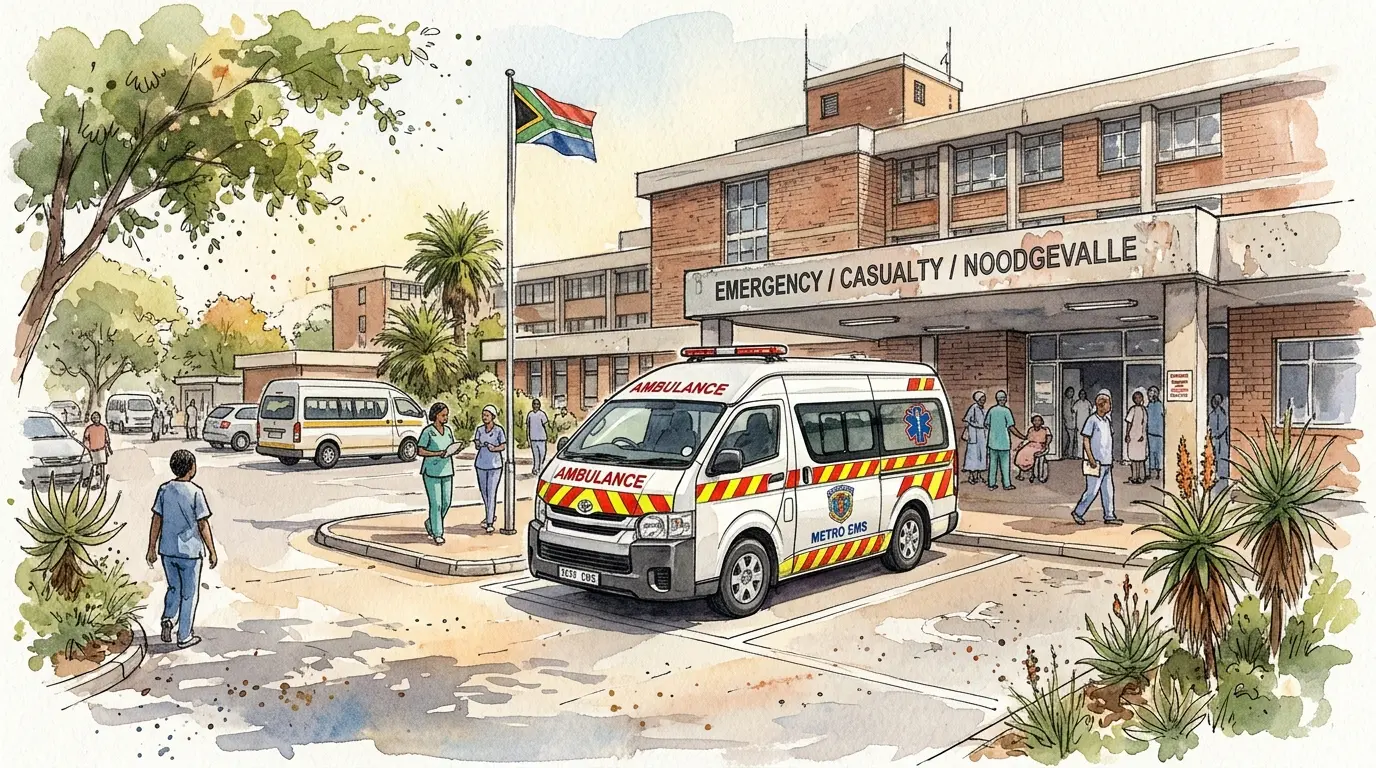
Picture: AI-generated illustration

Slip-and-fall accidents can happen almost anywhere, from shopping centres to office buildings. But if someone is injured after tripping over a hazard on someone else’s property, does the property owner automatically have to pay compensation?

A recent case, Ngwenya v Accelerate Property Fund (2022/13159) [2024] ZAGPJHC 880, provides useful guidance on when a property owner may be held legally responsible for such injuries.

In this case, Ms Ngwenya claimed damages from Accelerate Property Fund, the managing agent of the property where she fell. She alleged that she had tripped over a piece of metal skirting and injured herself because the property had not been kept safe for members of the public. She also argued that the managing agent had failed to carry out regular inspections to identify potential hazards.

BONGANI QANGULE
BONGANI QANGULE Picture: SUPPLIED

The Court had to consider whether the managing agent had failed to take reasonable steps to prevent the accident.

What does the law say?

Under South African law, a property owner or managing agent is not automatically liable simply because someone is injured on the premises. To establish liability, it must generally be shown that reasonable steps should have been taken to prevent the harm.

In Kruger v Coetzee 1966 (2) SA 428, the Court set out the principles used to determine negligence. In practical terms, the questions are:

· Could a reasonable person in the same position have foreseen that someone might be injured?

· Would a reasonable person have taken steps to prevent the injury?

· Did the person or organisation concerned fail to take those reasonable steps?

The outcome depends on the circumstances and the evidence presented.

What was the outcome?

In the Ngwenya case, the Court found that Ms Ngwenya had not provided sufficient evidence to prove that the managing agent should reasonably have acted differently. Warning signs and disclaimers had been displayed around the premises, and Ms Ngwenya was aware of them.

The Court therefore dismissed her claim because she had not proved that the managing agent was legally responsible for her injuries.

What does this mean for property owners?

Property owners and managing agents should take reasonable, practical steps to keep their premises safe. This includes identifying potential hazards, carrying out appropriate inspections and addressing dangerous conditions when they are discovered.

Warning signs and disclaimers may help demonstrate that reasonable precautions have been taken, but they do not automatically protect a property owner from liability.

Ultimately, each case depends on its specific facts and evidence. Taking reasonable steps to prevent foreseeable injuries is not only good practice but can also help reduce the risk of costly legal claims.

Bongani Qangule is an attorney with Drake Flemmer & Orsmond Attorneys. He can be contacted on (043) 722-4210