Not many people know what goes into making their daily bread, let alone milling the flour used to bake it.
Phillip Liphapang, mill manager at Premier FMCG's Fort Jackson operation in KuGompo, believes the work involved in receiving and preparing raw materials, as well as milling itself, would surprise many customers and consumers.
Liphapang, who has been with the company for 13 years, said: "Premier bought the mill and bakeries from Mr Bread in 2015."
The mill produces white bread flour, selected bran and bran for animal feed, supplying flour to its bakeries.
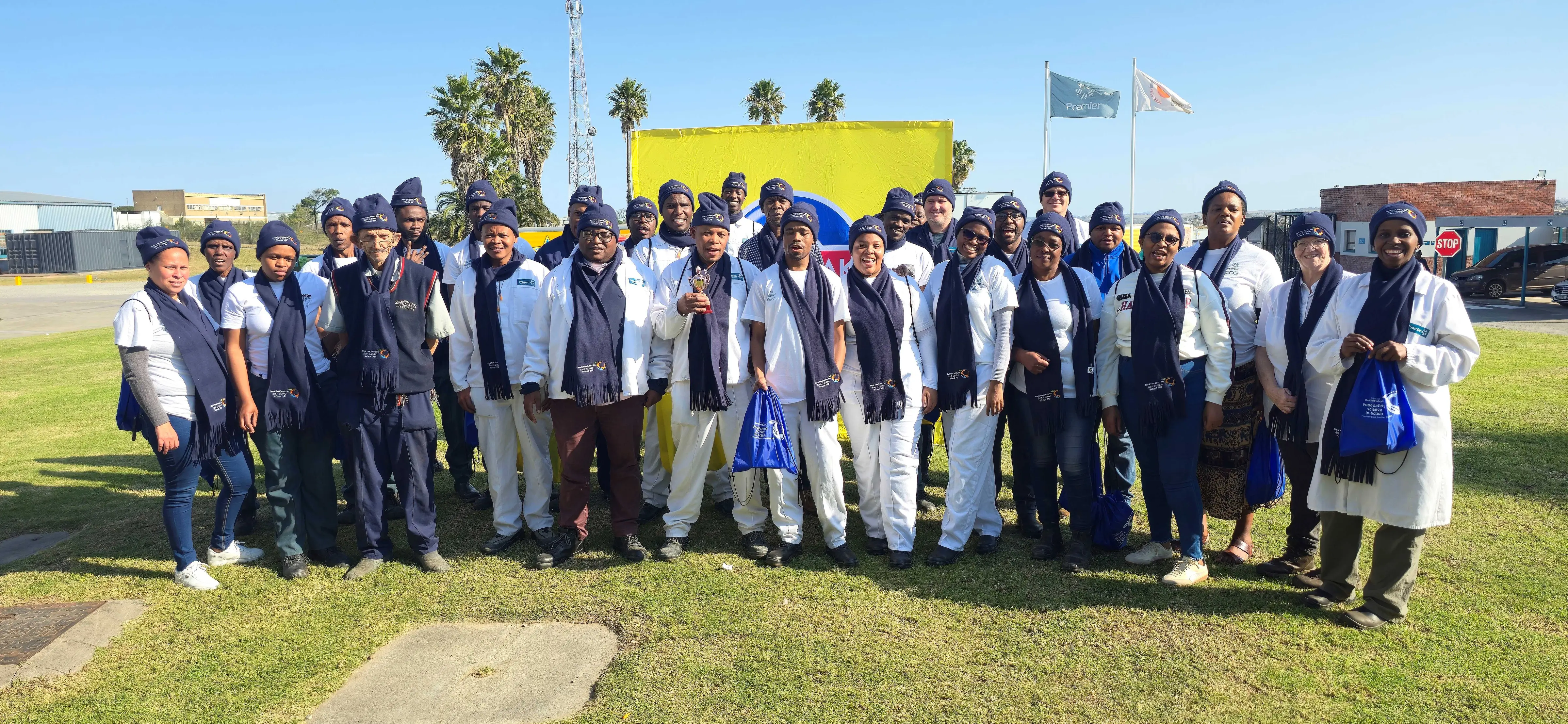
The mill and bakery together employ about 400 people.
Asked what distinguishes the operation, Liphapang pointed to "superior quality and service" and "investing back into the community we serve", which the company calls community social investment.
The mill holds FSSC 22000 food safety certification.
The business is now investing in additional milling capacity to cater for future growth in the region.
He counts the investment in a state-of-the-art facility among the business's biggest milestones.
Asked where he sees the greatest potential for food manufacturing in the Eastern Cape, Liphapang said, "being able to pack products and supply locally, as currently the product is supplied from other regions".
The mill operates alongside a bakery, with coordination between the separately managed operations central to keeping production supplied.
"There is a high level of collaboration between the two operations," he said.
Alongside its investment in production, the business provides specialist employment and opportunities for training.
Premier employs specialists in the field and trains interns and apprentices from a local university.
Liphapang includes "employing interns permanently" among the achievements that stand out for him, alongside supplying water to the surrounding community and giving bursaries to children.
The next phase in the business centres on completing the new milling facility and improving the existing operation.
Asked which achievements mean the most, Liphapang returned to the company's contribution to the people around it.
"Giving back to the community always stands out, seeing the difference Premier is making in the community."