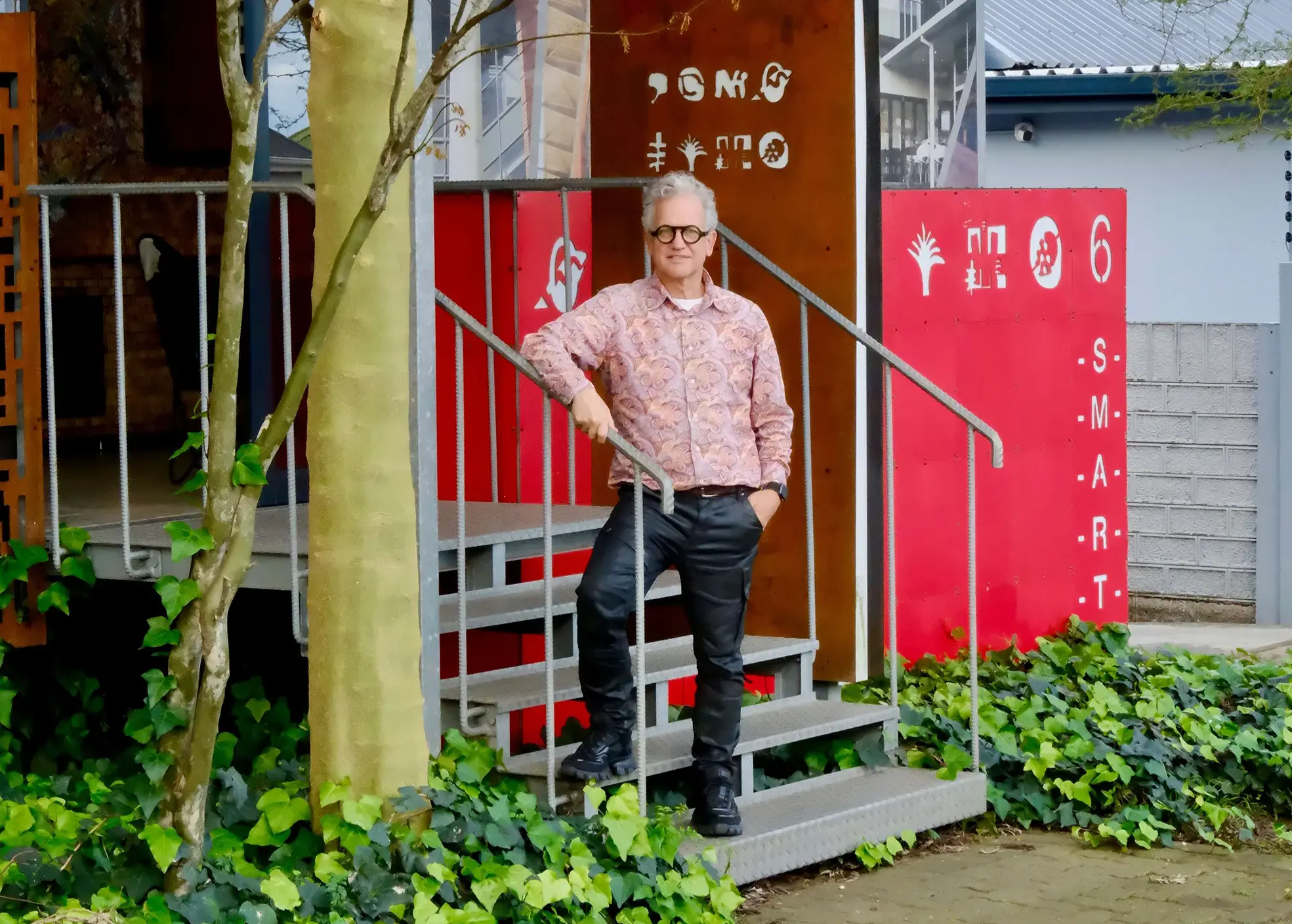
From challenging his team to craft reception desks out of cardboard to delivering major landmark projects, AJ Corbett of TCN Architects is reshaping the Eastern Cape's built environment. Through a balance of inventive design, community-driven development, and sustainable practices, the practice continues to transform local infrastructure.
With major developments including the Nelson Mandela Museum and vast rural school programmes across the former Transkei, TCN Architects prioritises local empowerment and mentorship to foster the next generation of architectural leaders.
SummaryOpen the quick read
- TCN Architects, led by AJ Corbett, operates from KuGompo City and Mthatha, handling projects from initial feasibility to construction.
- The practice has delivered high-profile landmarks including the Nelson Mandela Museum, Mthatha Stadium, and Mthatha Plaza shopping centre.
- TCN served as principal agent on a R700m programme building 49 rural schools across 8,000km² under challenging conditions.
- Projects such as Zinyosini School engaged local residents directly in brickmaking and building, ensuring long-term community ownership.
- Corbett prioritises sustainability and youth development, providing bursaries and practical training to cultivate future industry leaders.
When TCN Architects refurbished its Nahoon premises, AJ Corbett did not want the reception area to look like every other corporate office.
So he set his staff a challenge: design a reception desk out of cardboard.
“We are designers and often use a wide variety of new materials and building systems,” he said.
As a director of TCN Architects, Corbett runs a 10-person practice with offices in KuGompo City and Mthatha. The firm started with smaller residential and commercial developments, helping property owners take projects from planning and financial feasibility through to construction.
Corbett said, "From this we began getting larger projects and worked extensively in the health sector in the former Transkei.”
Larger commissions followed, including the Nelson Mandela Museum, Mthatha Stadium and Mthatha Plaza shopping centre. The 35,000m² plaza features landscaped pedestrian streets, with natural light and ventilation helping reduce running costs.
The reception desk made out of cardboard designed by TCN Architects staff for the entrance of their Nahoon premises in KuGompo City. Picture: SUPPLIED
Much of the practice’s work comes from provincial and national government departments. TCN served as a principal agent on a R700m programme to deliver 49 rural schools across about 8,000km². The work required co-ordinating 16 contractors, with difficult access, bad weather and material shortages complicating construction.
At Zinyosini School in the Ntabankulu area of the Eastern Cape, the practice included the community and the student representative council in discussions about the plans and construction methods.
“The resulting school campus was built by members of the community under the guidance of a main contractor utilising materials sourced and made locally which resulted in the community taking full ownership of their project as opposed to having a completed design parachuted in with no community interaction.”
Residents helped make the bricks, while the equipment was left with the community for use on future projects.
“The best rewards are seeing school children in rural areas benefiting from first-world infrastructure which we have implemented through the department of education.”
The lifespan of a building also shapes his approach to sustainability.
“We live on a planet with limited resources and our projects will be standing for many years in the future so whatever we can do now to minimise their impact is a benefit to these resources.”
There is a focus on youth development in the profession. Graduates who trained with the practice are taking on new roles, while bursaries and practical training help local students enter the field.
“I would like to see them growing into future leaders in the industry and carry on the work being done to develop the built environment of our country.”